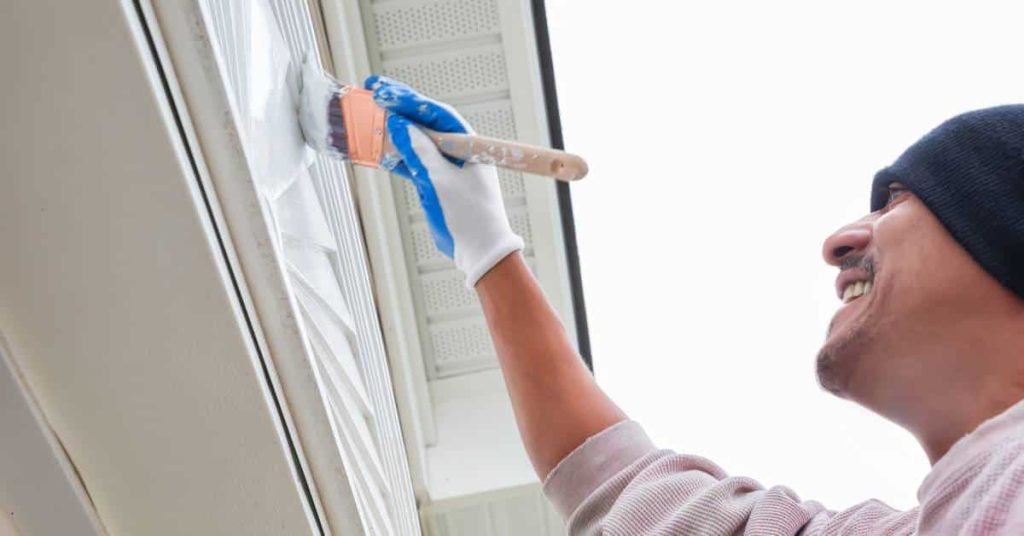
How to Paint Wood Trim with Confidence and Ease
The interior design of your home speaks volumes about your personality, and the beauty often lies in the finer details, such as wood trim. Original Style Painting and Decorating, known for its expert skills in domestic painting, is here to guide you on how to paint wood trim effectively. Let’s take a deep dive into this guide.
What Do You Need for Painting Wood Trim
The first step in any painting project is making sure you have the right supplies. You will need a high-quality trim brush, a bucket, a sanding sponge, a rag, painter’s tape, primer, and trim paint. If you are uncertain about where to find these items, feel free to check out our commercial painting services.
Preparation before Painting
Before you dive into painting, take some time to prepare your trim for the best results. Start by cleaning the wood trim and allowing it to dry. Then, lightly sand the trim to remove any varnish and create a better surface for the paint to adhere to. Wipe down the trim with a wet rag to remove any dust from sanding.
Should You Prime before Painting?
The answer is yes, especially when dealing with wood trim. Priming provides a base for the paint to stick to and prevents stains from seeping through. Using a high-quality primer designed for wood gives you better adhesion and coverage, making your furniture painting effortless.
How to Apply the Paint
Once your prep work is done, you’re ready to apply your paint of choice. Start by applying a layer of primer to smooth out the surface and cover any remaining stains or imperfections. Once the primer is dry, you can apply your topcoat. Remember, two thin coats of paint are better than one thick one. Visit our gallery for some inspiring transformations.
Maintaining Your Painted Wood Trim
After allowing the paint to dry thoroughly, it’s essential to properly maintain the painted wood trim to ensure its longevity. Wipe it down with a damp cloth regularly to remove dust and avoid using abrasive cleaners that can damage the paintwork. For other maintenance tips, check out our spray painting section.
Time to Bring in the Professionals?
While DIY can be fun and fulfilling, sometimes it’s safer and more efficient to bring in the professionals. A professional painting company like Original Style Painting and Decorating, with experience in both domestic and commercial painting, knows how to get the job done right. Skim through our testimonials to see what our happy customers have to say. Don’t hesitate to contact us when you need help with your painting project.
Stay Connected
To stay updated with our latest projects and tips, make sure to follow us on Facebook and Instagram. Together, let’s make your space uniquely yours!
